
Casselberry Previous Resident Sources
A sound address history changes sources as it moves back in time. The current parcel card is the anchor, while recorded deeds provide the ownership chain. The public deed index displays a starting date of January 1, 1983. Earlier links may still exist in books or grantor-grantee indexes held by the Seminole County Clerk. Directories, census schedules, permits, newspapers, and probate records add people and events that deeds cannot show.
| Evidence source | Verified time span | Custodian or access point | Useful result |
|---|---|---|---|
| Official Records web index | Displayed from 1983 to present | Seminole County Clerk online | Grantor, grantee, legal description, book/page, and images |
| Earlier deed books and indexes | Before 1983; exact start not posted | Clerk Records Center in Sanford | Older ownership links by name, book, and page |
| SCPA parcel data | Current; certified roll files for 2021-2025 | Seminole County Property Appraiser | Owner, situs, mailing address, parcel ID, and legal description |
| Federal census | Public schedules through 1950 | National Archives and library databases | Named households and relationships |
| Reverse and city directories | Exact Casselberry run not cataloged | State Library and local history channels | Listed occupants between census years |
| Building and code records | Current portal; cutoff not posted | Casselberry Development Services | Work dates and named applicants or owners |
No row is a complete roster of previous residents. A deed proves title transfer, not who lived there. A directory lists subscribers under one publisher's rules. Census schedules reach more household members, but only at ten-year intervals.
Anchor Casselberry Previous Resident History
Enter the address at the Seminole County Property Appraiser. Copy the parcel ID, owner name, situs address, owner mailing address, subdivision or legal description, and sale references. Situs means the physical location being taxed. The mailing address is where the owner asked to receive notices. If they differ, the owner may live elsewhere, but that fact does not identify a renter.
The legal description is the durable key. Lot, block, subdivision, or metes-and-bounds language follows the land when street wording changes. Homestead status is useful evidence that an owner claims the parcel as a primary home, yet it does not name other past residents. For a current address method across a full road, use the Casselberry street directory.
Note: Save the parcel ID and legal description before opening the deed index, since names and address text can change.
Trace Casselberry Previous Owners
The Seminole Official Records inquiry connects the current parcel to prior owners. A grantor gives an interest, often as seller. A grantee receives it, often as buyer. Start with the current owner's acquisition deed, then turn its seller into the next search name.
- Search the present owner as grantee. Match the parcel's legal description.
- Open the acquisition deed. Record the grantor, date, file number, book/page, and land description.
- Search that grantor as a grantee in an earlier range. Confirm the same lot or legal text.
- Repeat until the online index stops, then give the Records Center the last known citation.
The official guide recommends “LAST NAME, FIRST NAME” order and supports book/page, clerk file number, legal text, and consideration searches. Column filters and appended searches help with spelling variants. Free images are informational; certification is a separate order.
- Chain of title
- The linked sequence of transfers for one parcel.
- Grantor and grantee
- The party giving an interest and the party receiving it.
- Legal description
- The land identity that outlasts a street label.
- Criss-cross directory
- An address-first book that returns a listed occupant.
When Casselberry Resident Records End
The Clerk says Official Records should now be online, but the guide's search display begins in 1983 and no reviewed official source gives the first deed-book year. A blank search is not proof that a deed never existed. Ask Official Records staff for an older index, deed book, microfilm, or image tied to the last citation.
The Records Center is at 1750 East Lake Mary Boulevard in Sanford. Mail and email request routes are also available. State staff can help identify older series through the State Archives of Florida.
The archive gateway shown below helps when county web indexes no longer answer the question.
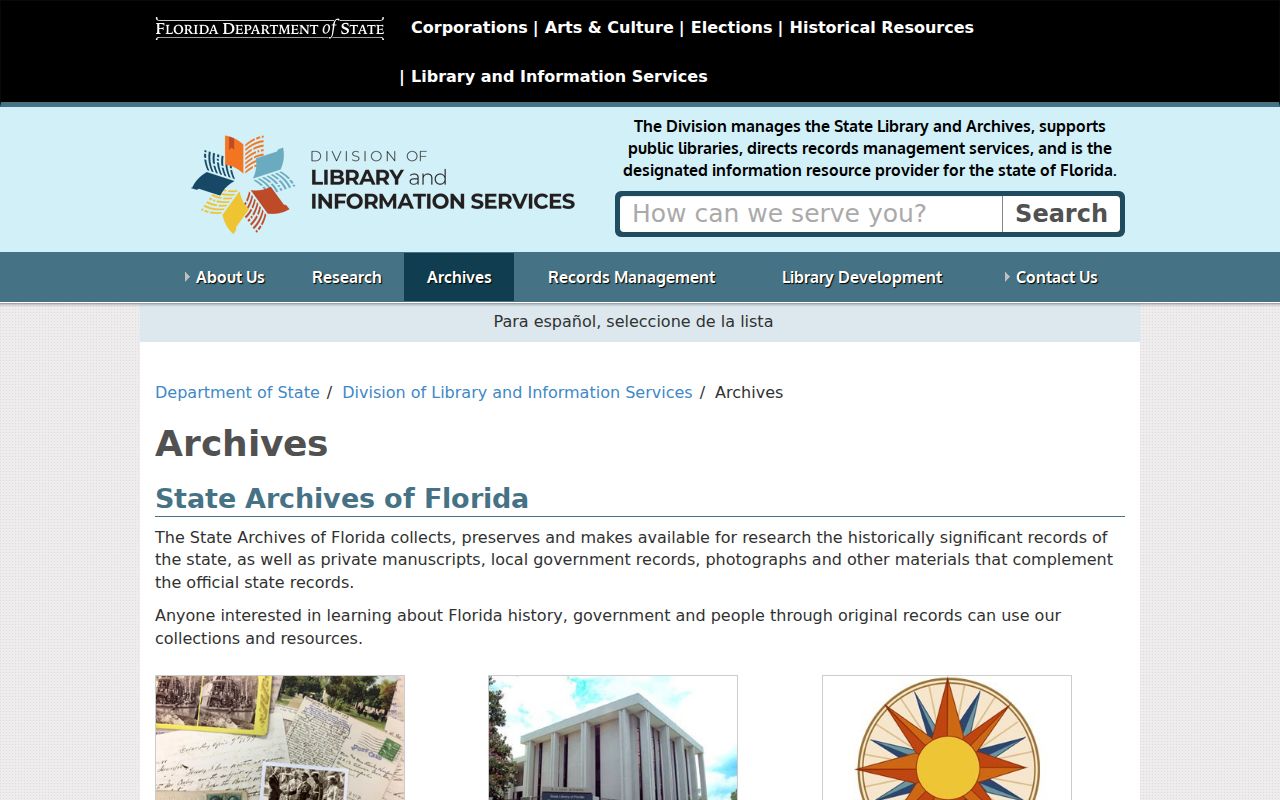
Its catalog and research services point toward government collections without implying that every deed image is held there.
Casselberry Past Resident Place Names
Present-day Casselberry land may appear under Orange County before Seminole County was created in 1913. It may also appear under Lake Concord, Fern Park, Fern Park Estates, or Winter Park Ferneries. Casselberry incorporated as a town in 1940 and as a city in 1965, but postal naming did not move in step. Its separate post office did not arrive until 1959.
Try the old place label in directories and census indexes while keeping the land description constant. The city history supplies the former names.
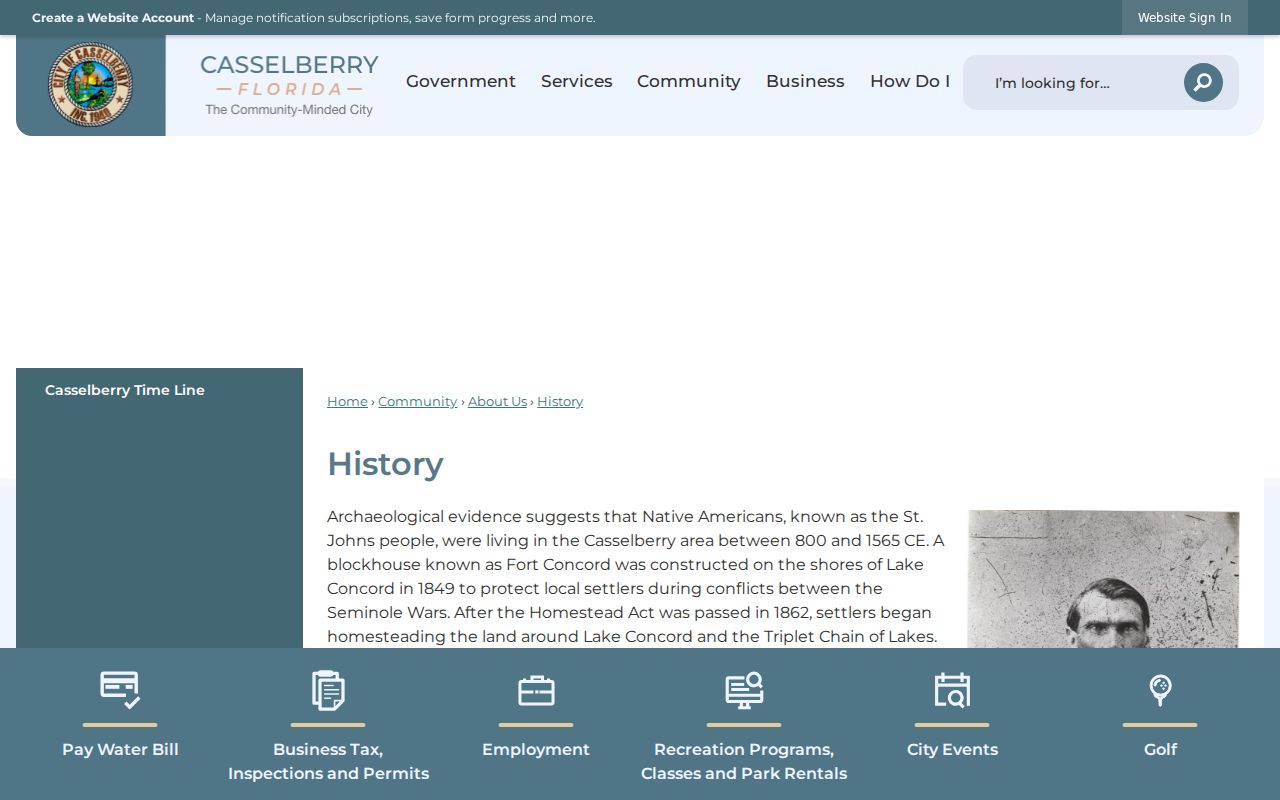
Those names give better search terms for older catalogs than the modern city name alone.
Rebuild Casselberry Past Households
Ownership and occupancy often split. Reverse directories turn a house number into a listed subscriber, while an alphabetical directory may show a spouse, occupation, and residence. Casselberry's exact reverse-directory run is unverified, so ask for Orlando, Fern Park, or South Seminole County material. The Casselberry city directory collections cover the shelves in depth.
- Copy each entry exactly, including initials, spouse, street spelling, and exchange.
- Move one available issue backward and treat changes as leads.
- Match the address and nearby households to the closest public census year.
- Use a deed, obituary, or probate filing to explain a move, death, or name change.
The National Archives has released schedules through 1950. Search by county, enumeration district, neighbors, and older place names when Casselberry fails.
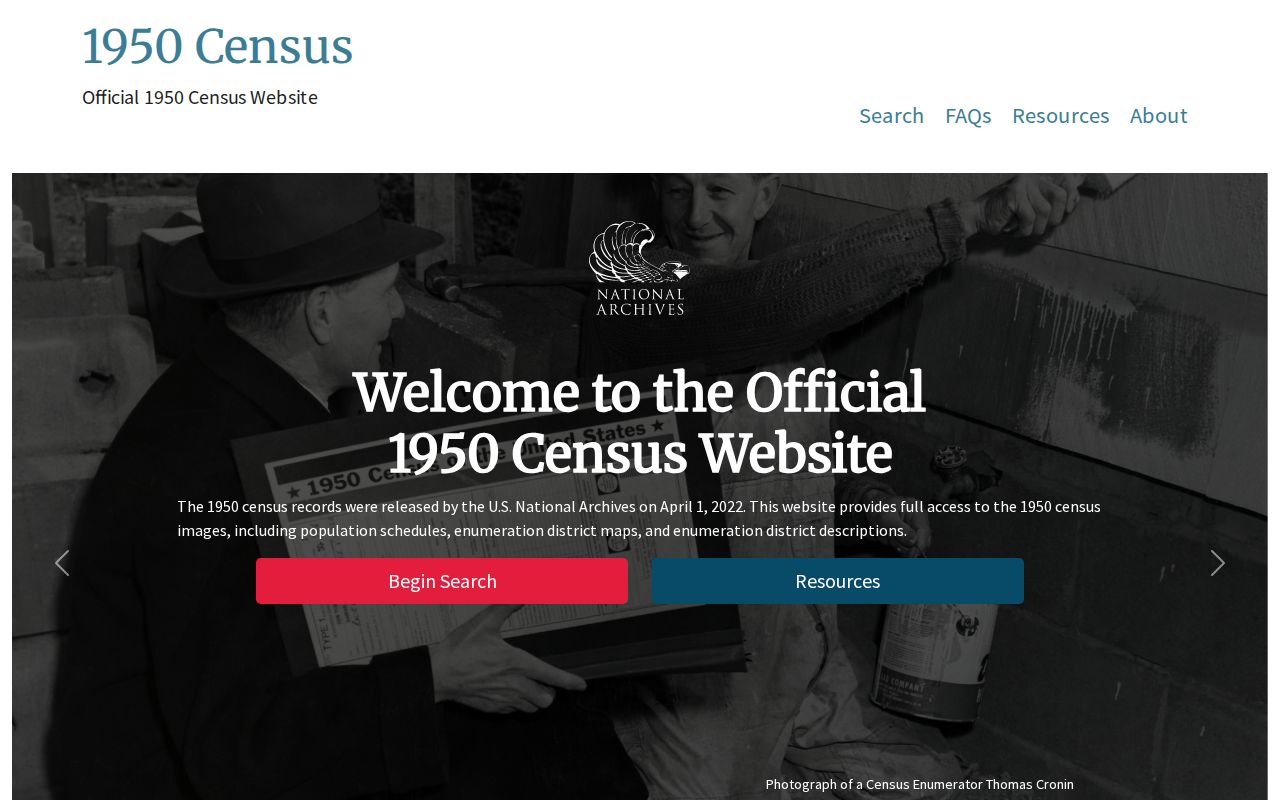
Household relationships and ages can separate same-name people, while directory issues fill the years between schedules.
Date Casselberry Previous Resident Properties
Permits and aerials date the building rather than every person. Casselberry's CitizenServe records may show work, inspections, applicants, owners, or contractors, although the exact online cutoff is not stated. A permit can explain why an older deed describes vacant land or why the footprint changes.
Seminole County GIS advertises more than 300 layers plus current and historic aerial photography. Compare parcel shape, structure, roads, and city lines. No verified Casselberry-specific Sanborn sheet was found, so confirm catalog coverage before citing one.
Note: Permits, aerials, and plats explain the property, but none is a complete resident list.
Casselberry Resident History Behind Addresses
The local record trail follows the fern industry and suburban growth. Early plats identify fernery lots. During World War II, local production shifted to bandoliers, bomb parachutes, and hospital-tent liners. A person may appear in community or wartime material rather than a land index. The Casselberry timeline puts those changes in order.
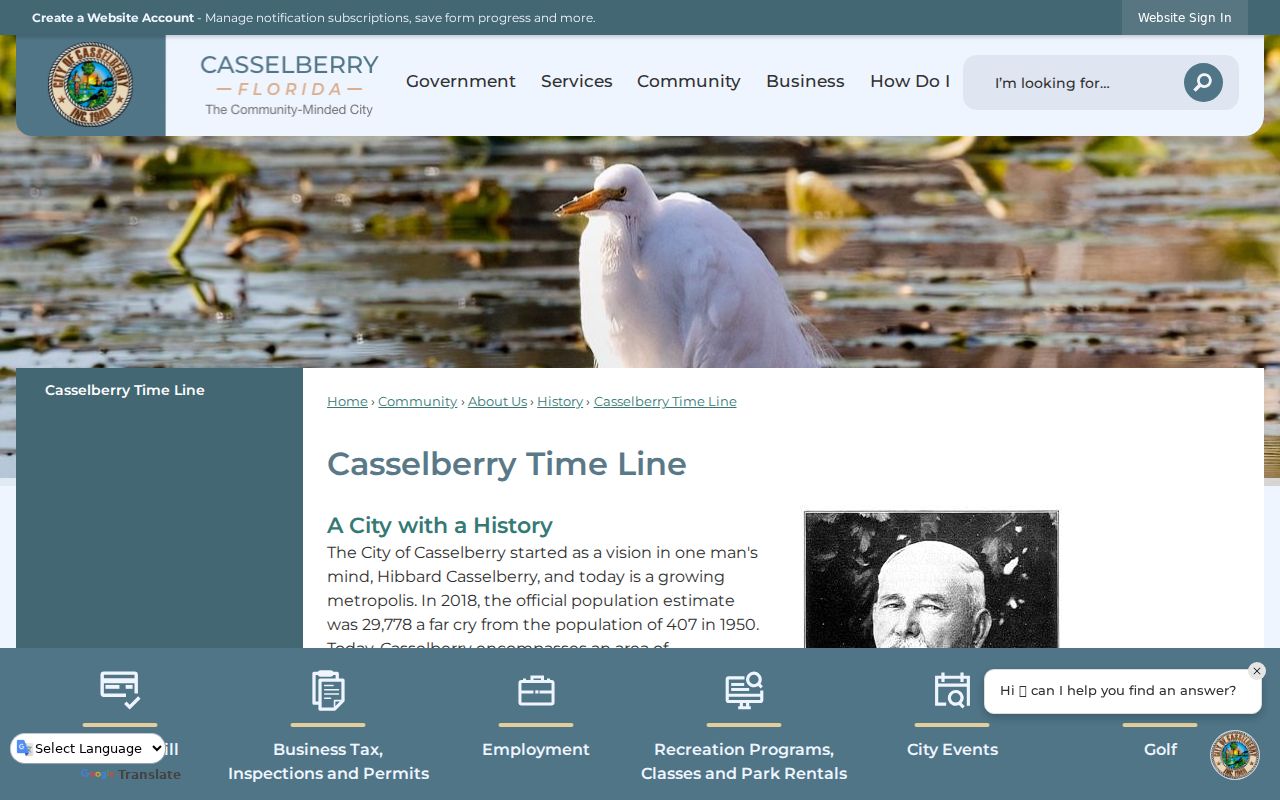
The timeline helps decide whether a town, city, county, or postal label belongs with a record year. It guides the search but does not replace the underlying record.
Follow Casselberry Residents to Estates
A deed following a death may name a personal representative, trustee, spouse, or heirs. Search the Seminole Clerk probate docket and recorded estate instruments, then compare an obituary or death record. These sources can explain why title moved without a standard sale.
The Jean Rhein Central Branch in Casselberry is a local access point for reported newspaper and genealogy databases. Preserve the publication date, paper, name variants, relatives, and last residence. Verify key facts with the correct custodian, since an obituary is family and community evidence rather than a government roll.
Use Previous Resident Records Lawfully
House history, genealogy, estate research, and reconnecting with relatives are sound reasons to follow previous residents. Public access does not erase privacy. Protected voter addresses, sealed court files, recent birth records, DMV data, utility customers, and private rosters remain restricted.
Florida law bars stalking, cyberstalking, identity misuse, and unauthorized voter-data use. Keep sources and dates, preserve uncertainty, and stop where the lawful public trail stops.
Lawful use. Use Casselberry previous-resident records for legitimate personal research, never to watch, threaten, harass, or harm anyone.